Global Citizens’ Assembly to tackle the future of Food and Climate
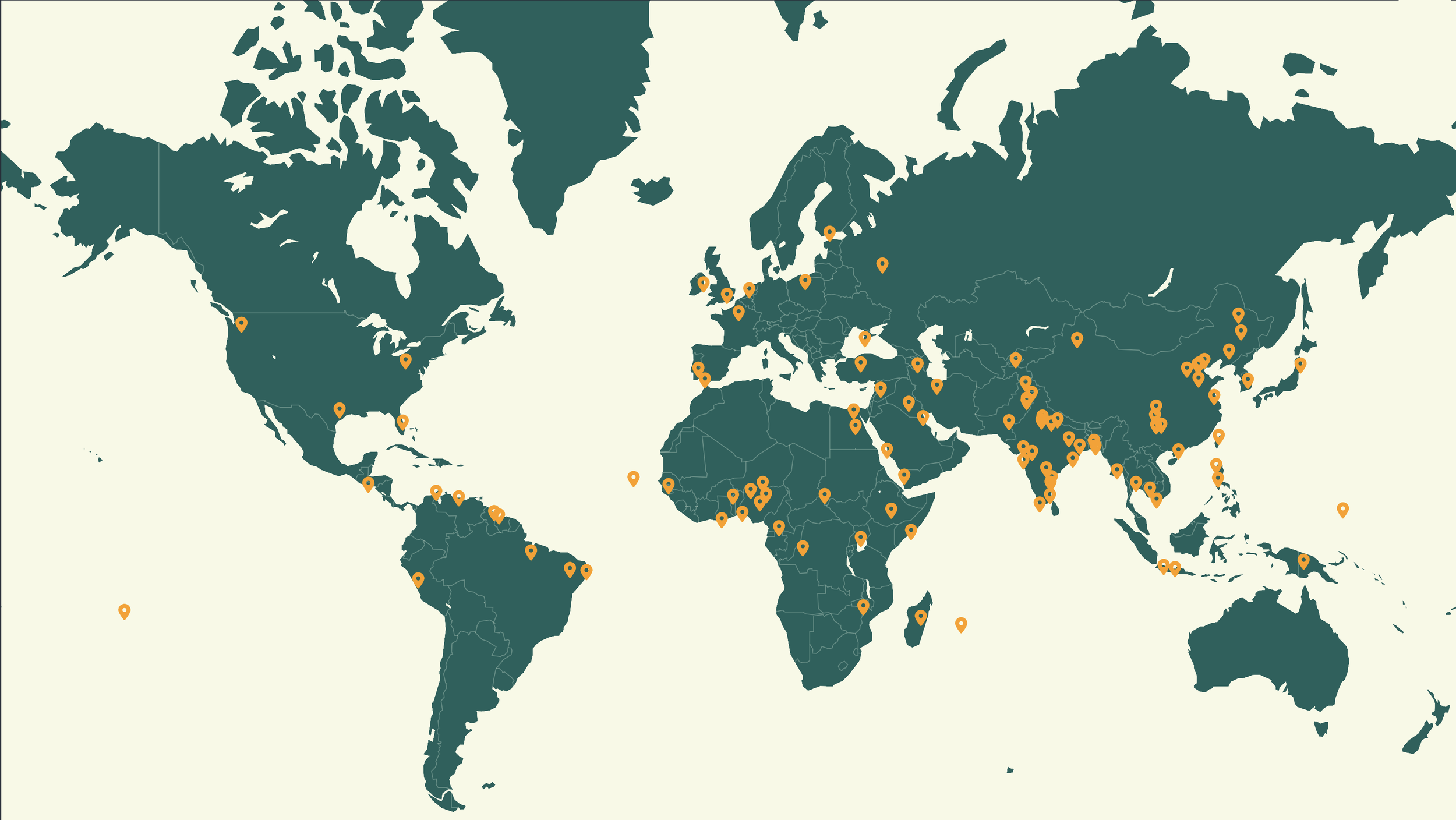
Global | 19 January 2026 - People from more than 60 countries with a wide range of incomes, ages and backgrounds are gathering for the first Global Citizens’ Assembly on the future of food systems – with their findings due to inform the next annual climate talks taking place in Turkey.
Established at the request of Brazil, which hosted the COP30 round of negotiations in the Amazonian city of Belém in November, the Global Citizens’ Assembly consists of 105 delegates chosen by lottery to form a demographically representative snapshot of the global population, reflecting the Brazilian COP Presidency’s commitment to a Mutirão spirit of collective effort and shared responsibility.
Deliberations began online on January 17 and are due to last seven weeks, with participants hearing from scientists, economists, food system specialists, and Indigenous leaders as they deliberate the trade-offs needed to feed the world’s population equitably and sustainably while tackling surging emissions linked to livestock and the clearing of forest land for crops.
At a time of growing strain on global climate negotiations, exacerbated by the United States’ decision to again withdraw from the UNFCCC treaty, the Global Citizens’ Assembly aims to revitalise climate decision-making by bringing ordinary peoples’ voices to the fore.
The assembly’s conclusions will feed into an interim climate conference in Bonn in June, and the next annual round of climate negotiations – COP31 – which take place in the Turkish city of Antalya in November.
There is growing recognition of the importance of tackling the greenhouse gas pollution from food systems – with some estimates suggesting that the way we produce and consume food is responsible for roughly 30 percent of annual emissions.
Food justice is also emerging as an increasingly contentious issue, with the wealthiest 30 percent of the world’s population causing more than 70 percent of the impact, while nearly half the world struggles to access healthy diets and meet basic food-related human rights.
Scientists warn that even a rapid phase-out of fossil fuels will not be sufficient to keep global warming below the Paris Agreement target of 1.5° C. Global food systems must undergo a fundamental transformation. The Global Citizens’ Assembly is being supported by more than $3 million in funding from Wellcome, Quadrature Climate Foundation, the Climate Emergency Collaboration Group (CECG), the European Climate Foundation and the Global Challenges Foundation.
Citizens’ Assemblies have influenced policy before, from climate legislation in France to referendums on same-sex marriage and abortion in Ireland. This is the first time the model is being applied globally to tackle food and climate together.
Eighty years after the United Nations first convened its General Assembly in London in January 1946, the Global Citizens’ Assembly demonstrates a new way for people’s voices to shape global decisions.
Quotes
“The Global Citizens’ Assembly shows a way forward for global governance reform. We know that over 7000 national or local assemblies have been run over the past decade engaging millions of people in the key decisions that impact their lives. The Global Citizens’ Assembly brings these people into the heart of global governance”. - Rich Wilson, Co-founder, Global Citizens’ Assembly.
“COP can no longer be only about discussing and analysing the state of the planet. The only way forward now is action. That means collective responsibility and action at the local level, in communities around the world. At COP30, Brazil introduced the Global Mutirão to reflect this spirit of collective action. The Global Citizens’ Assembly brings this same bottom-up approach into global decision-making, and we are very much looking forward to engaging with its conclusions later in the year.” - Ana Toni, CEO, COP30.
“The climate crisis is a food crisis. No negotiation, no treaty, no transition will hold if families cannot eat and farmers cannot survive the next drought.The Global Citizens’ Assembly exists to put people living on the front lines of climate and hunger at the center of decision-making. Climate capital must flow where it matters most: into just, resilient, and sustainable food systems that work from farm to fork, so that nutrition, dignity, and survival become the foundation of climate action.” - Ertharin Cousin, CEO, Food Systems for the Future.
Media Contact
For interview requests, additional information, or access to images and other media assets, please contact Tillie Dee, PR Manager, at tillie.dee@iswe.org